 Language
 English
 Português
 Deutsch
 Français
 русский
 Italiano
 日本語
 عربي
 Español

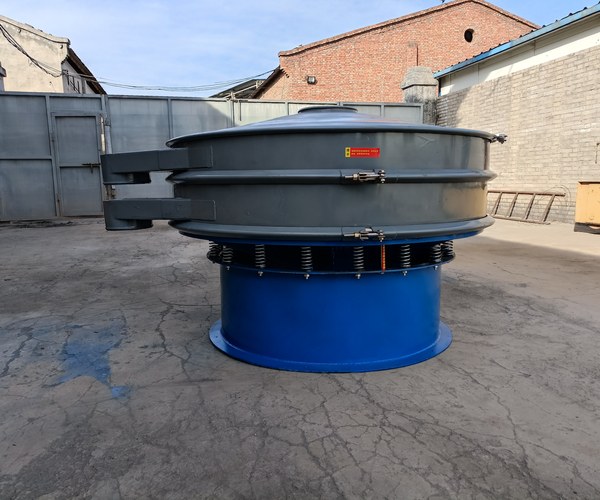
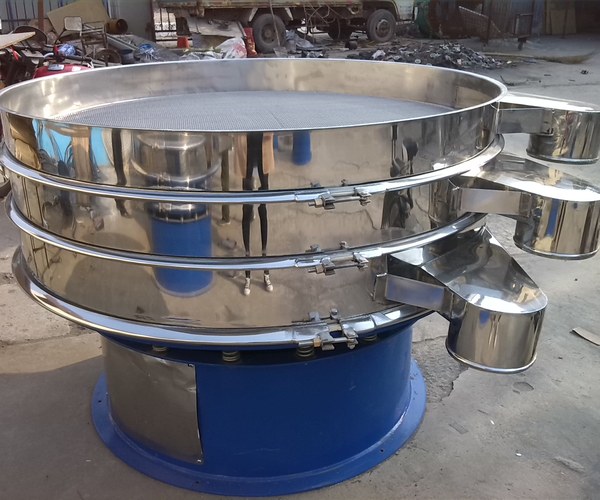
The mesh is the part of a vibrating screen that does the actual separation, yet it is often chosen without enough analysis. Selecting the correct mesh affects capacity, accuracy, and how often the machine needs to be stopped for cleaning.
Mesh is specified by aperture size and wire diameter, usually described in mesh count or in microns. A finer aperture gives a sharper cut but reduces throughput and increases the risk of blinding. A coarser aperture increases capacity at the expense of precision. The right balance depends on the particle size distribution of the feed and the specification of the final product.
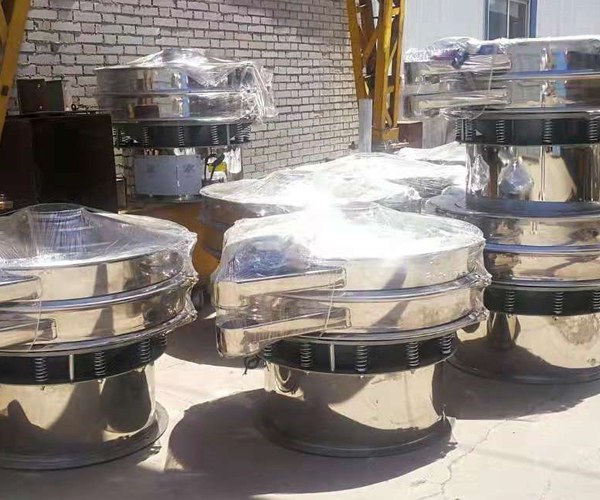
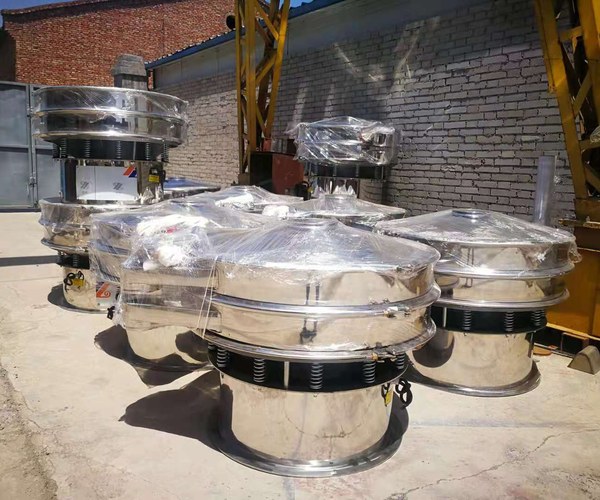
Material of construction also matters. Woven wire mesh is common for general-purpose screening, while a perforated plate is more resistant to impact and is used for coarser fractions. For corrosive substances or products that must meet hygiene requirements, a stainless steel vibrating screen with stainless mesh is a practical choice because it can be cleaned thoroughly and does not rust.
Deck tension is another factor that is easy to overlook. A loosely tensioned mesh can move against the frame, which causes premature wear and inconsistent separation. Before starting production, check that the mesh is seated evenly and that the clamps are tightened to the manufacturer's recommendation.
For powders that tend to cling to the mesh, an ultrasonic vibrating screen can be considered. The added ultrasonic energy keeps fine particles from lodging in the apertures, extending the time between cleaning cycles. Taking the time to match the mesh to the material will make the vibrating screen operate more predictably and reduce downtime over the life of the machine.


