 Language
 English
 Português
 Deutsch
 Français
 русский
 Italiano
 日本語
 عربي
 Español

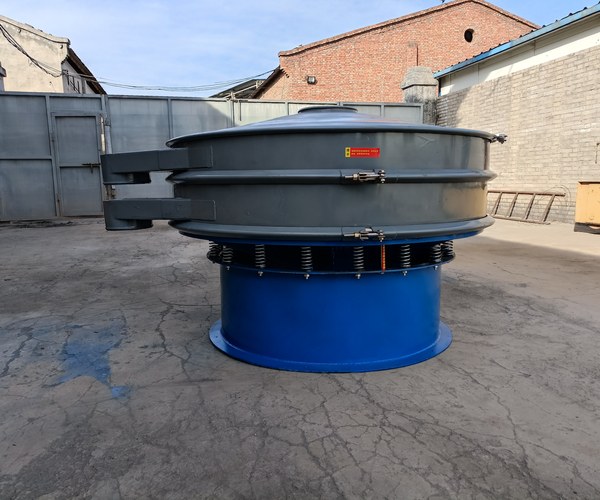
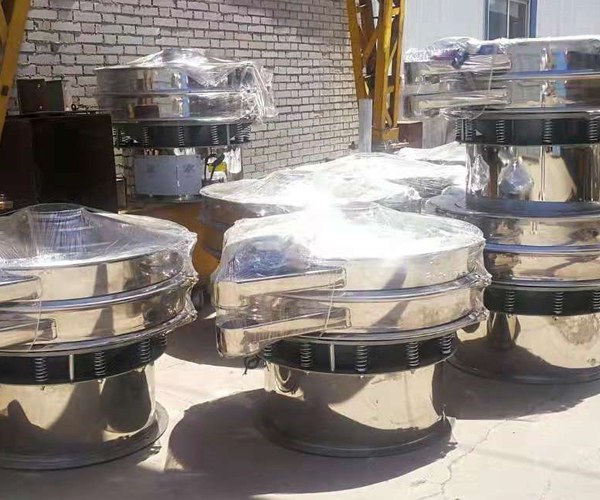
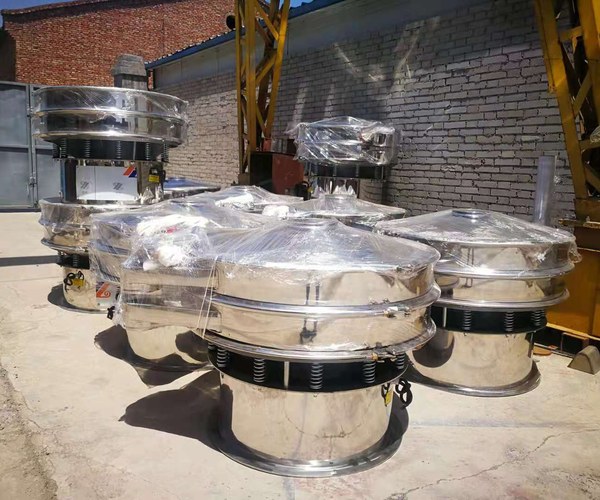
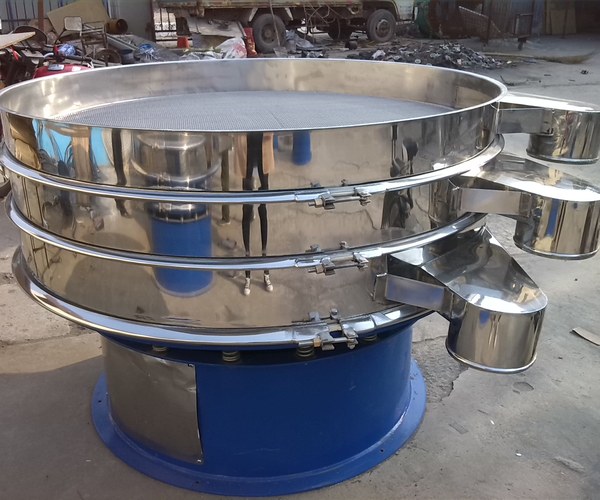
Hygiene is a priority in food and pharmaceutical production, and equipment choice plays a central role in meeting it. A stainless steel vibrating screen is frequently specified in these industries because the material resists corrosion and can be cleaned effectively between batches.
Contact surfaces are typically made from grade 304 or 316 stainless steel. Grade 316 offers better resistance to chlorides and is selected when products contain salt or aggressive cleaning agents. Smooth welds and polished surfaces reduce the places where residue can collect, which supports cleaning-in-place procedures.
The design of the rotary vibrating screen also matters. Quick-release clamps allow the decks to be separated without special tools, so the mesh can be removed and cleaned thoroughly. Food-grade sealing rings prevent product from passing between decks and contaminating the output. For fine powders such as flour, sugar, or active ingredients, an ultrasonic vibrating screen helps keep the mesh clear without increasing the amplitude, which protects both the product and the equipment.
Capacity planning should account for the fact that hygienic designs may run at slightly lower throughput than standard industrial machines, because of the finer mesh and additional sealing. It is better to select a deck diameter with some margin than to operate a vibrating screen at its limit.
Regulatory requirements differ by market, so buyers should confirm that the machine and its contact materials meet the standards that apply to their product. When specified correctly, a stainless steel vibrating screen provides dependable classification while supporting the hygiene standards required in regulated production environments.


