 Language
 English
 Português
 Deutsch
 Français
 русский
 Italiano
 日本語
 عربي
 Español

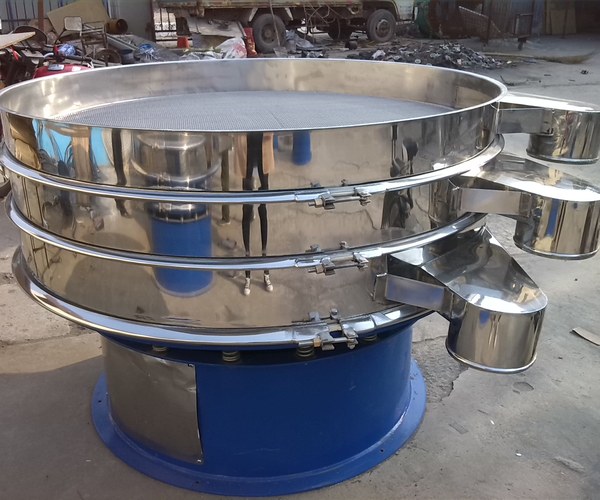
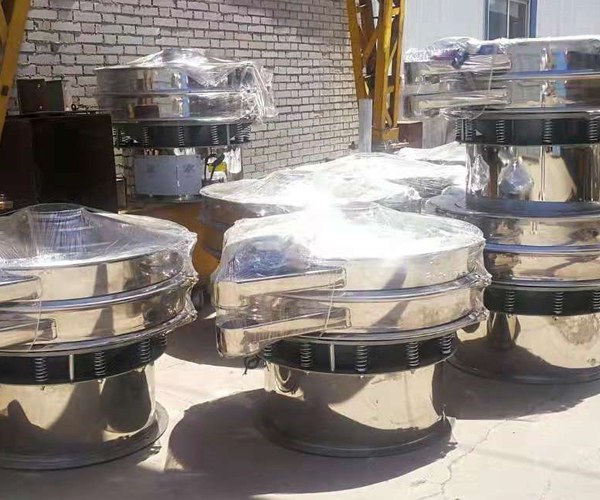
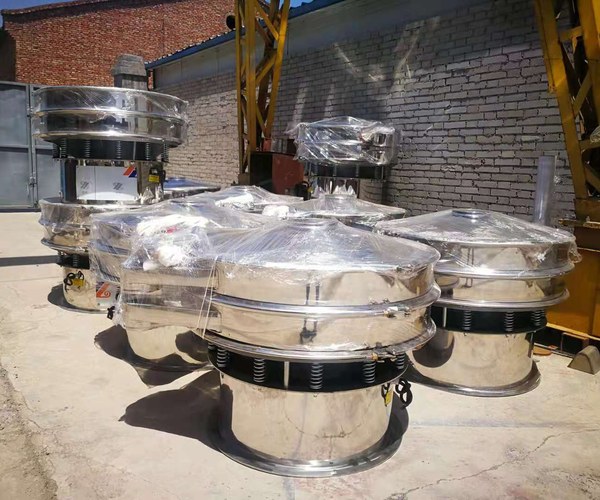
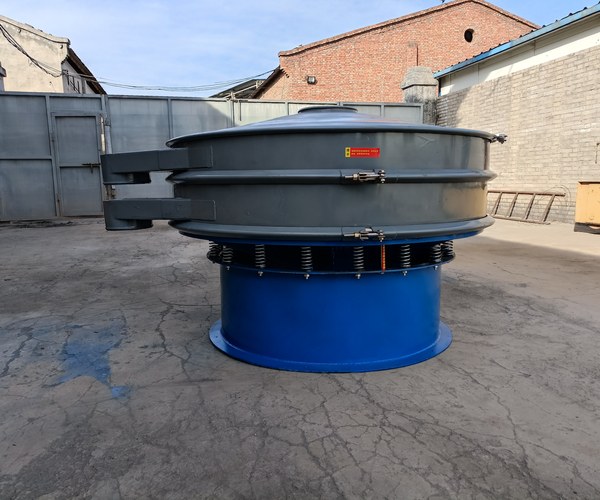
Even a well-selected rotary vibrating screen can develop problems if operating conditions change. Recognising the symptoms early helps operators correct the cause before output is affected.
One common issue is low throughput. This often results from uneven feeding, a mesh that is blinded, or an amplitude that is too low for the material. Checking the feed first is sensible, because a steady, centred feed solves many apparent machine problems. If the mesh is blocked, cleaning or changing to a coarser aperture may be needed.
Another issue is poor separation accuracy. Material appearing in the wrong fraction can indicate a worn seal between decks, a damaged mesh, or excessive feed rate. A worn sealing ring allows particles to bypass the mesh, so replacing the seal is often enough to restore performance. Checking that the clamps are tight will also help.
Excessive noise or vibration of the frame usually points to mechanical causes: loose motor bolts, worn bearings, or damaged support springs. These should be addressed promptly, since continued operation can lead to more serious damage. Operators should follow the lockout procedure before any inspection.
For fine or cohesive powders, blinding is a recurring challenge. An ultrasonic vibrating screen adds high-frequency vibration to the mesh, which keeps apertures open and reduces cleaning frequency. This can be a practical upgrade when a standard vibrating screen struggles with sticky material.
Most operating problems can be traced to feed, mesh, or mechanical condition. By working through these areas systematically, operators can restore stable performance and extend the working life of the machine.


