 Language
 English
 Português
 Deutsch
 Français
 русский
 Italiano
 日本語
 عربي
 Español

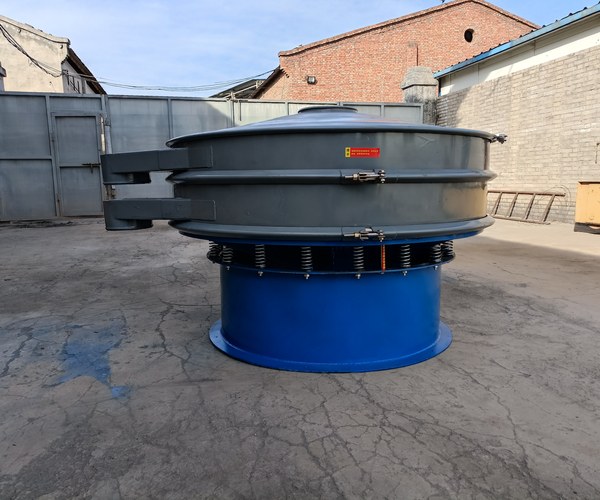
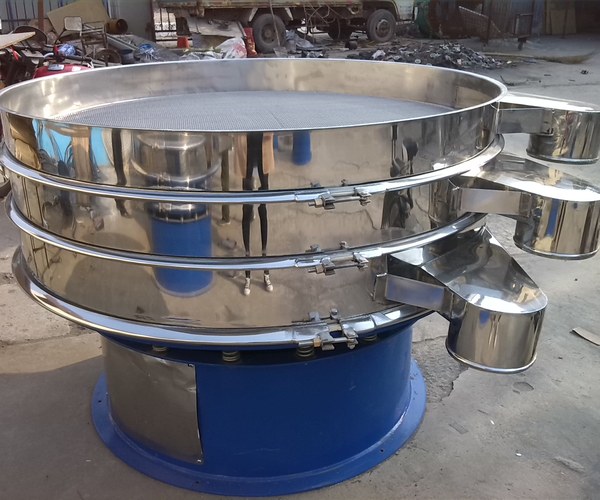
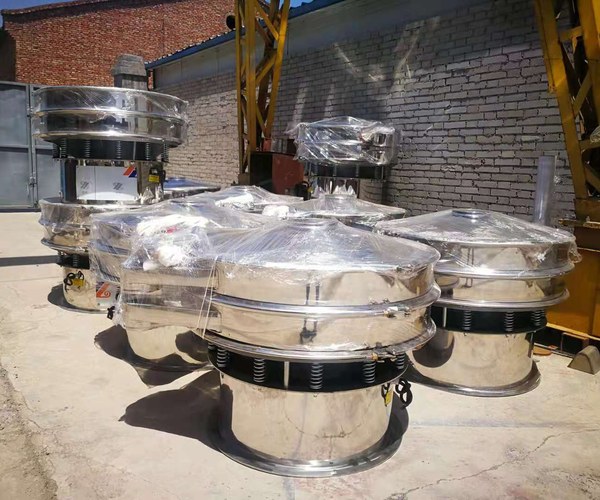
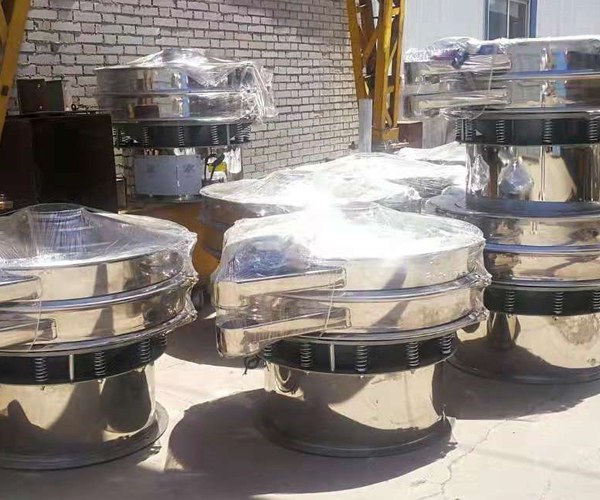
A vibrating screen operates under continuous dynamic load, so routine maintenance has a direct effect on service life. A simple inspection routine can prevent most unplanned stops and keep separation performance stable.
Start with the screen mesh. Look for torn mesh, loose clamping, and blinding. Clean the mesh using a method appropriate to the product — compressed air, a soft brush, or a dedicated cleaning system. Avoid sharp tools that can damage the wire.
Next, inspect the vibration motor. Check that the mounting bolts are tight and listen for unusual noise, which can indicate a bearing problem. The eccentric weights should be secured firmly, because a loose weight changes the amplitude and can damage the motor. Lubrication should follow the interval stated in the equipment manual.
The body and support springs also deserve attention. Cracked springs or a damaged base change the motion of the deck and can lead to uneven wear. In a multi-deck rotary vibrating screen, the sealing rings between layers should be replaced when they become hard or deformed, since worn seals allow material to leak between decks.
Finally, keep a record of each inspection. Noting when the mesh was changed or when the motor was serviced makes it easier to identify recurring issues. Whether the machine is a standard vibrating screen or an ultrasonic vibrating screen used for fine powders, consistent maintenance keeps output predictable and reduces the total cost of ownership. A well-maintained machine is safer for operators and more reliable for the production line.


