 Language
 English
 Português
 Deutsch
 Français
 русский
 Italiano
 日本語
 عربي
 Español

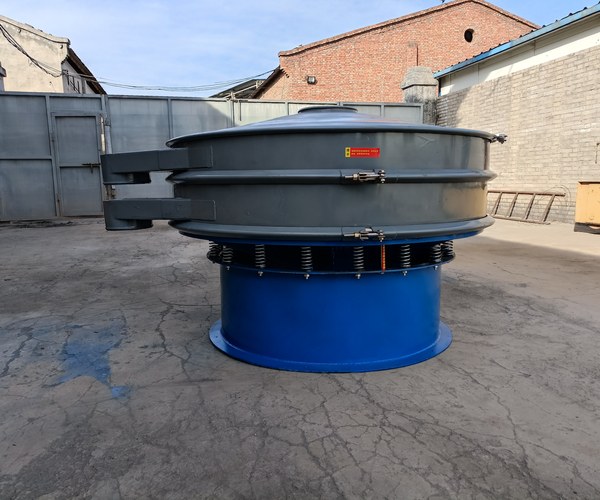
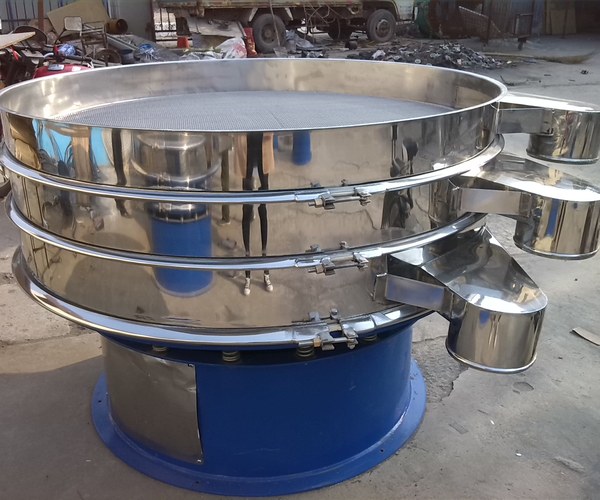
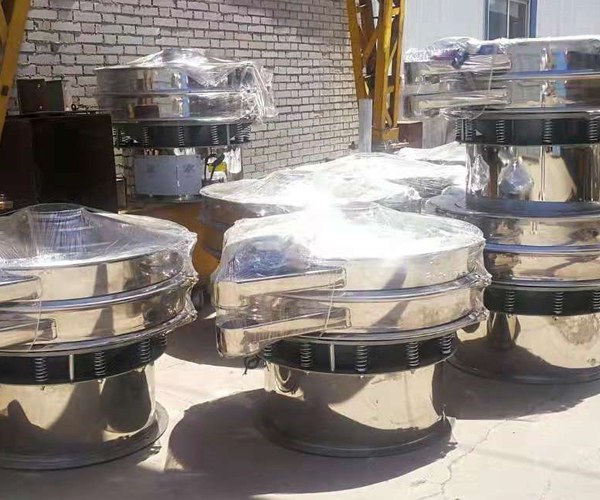
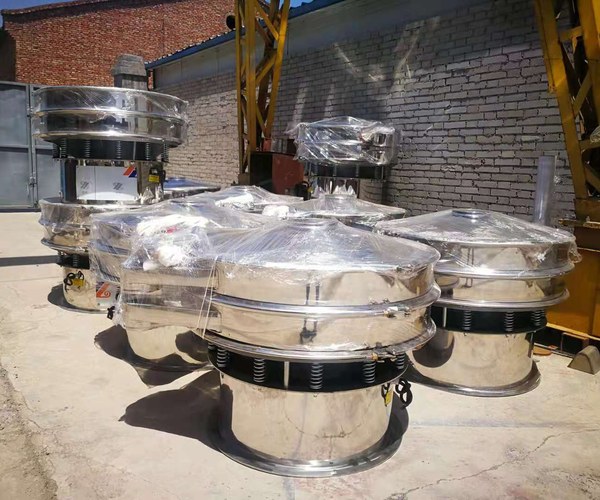
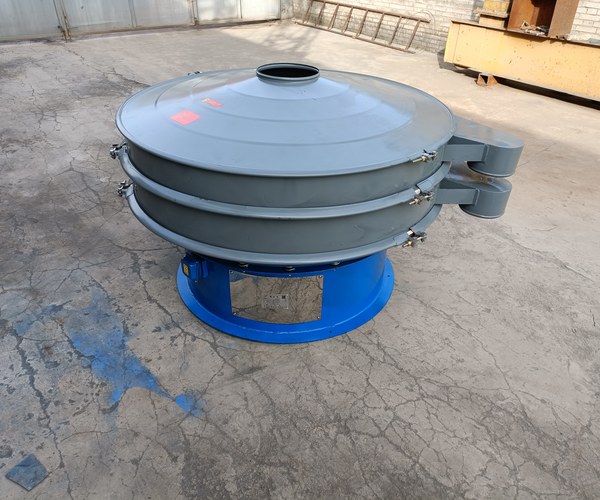
Separation accuracy is a daily concern for any plant that handles fine powders. A rotary vibrating screen separates material by combining circular motion with a vertical component, so particles move across the mesh surface in a controlled spiral. Compared with a simple shaking device, this motion gives each particle more opportunities to pass through the aperture, which improves classification consistency.
A typical rotary vibrating screen is built with a vertical motor, an eccentric weight at each end of the shaft, and one or more screened decks. Adjusting the upper and lower eccentric weights changes the horizontal and vertical amplitudes. This is useful when processing materials with different bulk densities: a heavier product generally needs a larger amplitude, while a fine powder often benefits from a gentler setting to reduce dusting.
Operators who run a vibrating screen in a food, chemical, or pharmaceutical line should pay attention to three variables. First, mesh aperture should match the target particle size rather than being chosen by habit. Second, feed rate should be even — surcharging the deck is the most common cause of poor separation. Third, the sealing rings between decks should be checked regularly, because a worn seal allows material to bypass the mesh.
Maintenance is straightforward. Inspect the screen mesh for blinding, clean the mesh with a suitable method for the product, and check that the clamps hold the decks firmly. With correct setup and routine care, a rotary vibrating screen delivers stable output over a long service life, which is why it remains a common choice for dry powder and granular materials.


