
 Português
 Deutsch
 Français
 русский
 Italiano
 日本語
 عربي
 Español


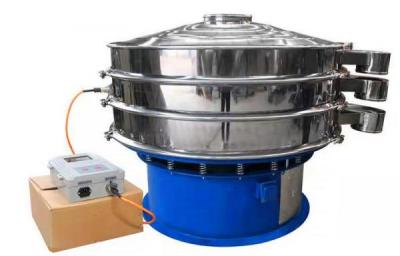
Selecting a vibrating screen starts with the material and the required separation, rather than the machine size alone. A clear process description helps a manufacturer assess suitable screening equipment and identify where sample testing is needed.
Define the separation task
State whether the process needs to remove oversized particles, separate several size fractions or check a powder before the next production step. Give the required cut sizes and explain how each discharge stream will be used. Mesh count alone can be ambiguous, so also specify the opening size and the applicable sieve standard where available.
Describe the actual material
Provide the material name, particle-size distribution, bulk density, moisture condition and normal feed temperature. Note whether particles are sticky, abrasive, fragile or prone to forming agglomerates. A sample taken from the real production process is more useful than a description based only on the finished product.
Check feed conditions
Share the normal feed rate, expected fluctuations and the method used to deliver material to the screen. Uneven or intermittent feeding can affect separation. Space for a feeder, inspection access and connections to upstream and downstream equipment should be considered during layout planning.
Choose construction for the application
The material-contact surfaces, seals and cleaning arrangements should suit the product and operating environment. For food-related use, discuss cleaning access and the required contact materials. For abrasive mineral products, discuss wear exposure and access for inspecting or replacing screening components. Do not assume that the same configuration suits every application.
Confirm performance with representative conditions
Before choosing a model, agree on the test material, target fractions and acceptance criteria. Evaluate the separated samples and note the test feed conditions. Results from one material or operating condition should not be treated as a guarantee for another.
Prepare an inquiry for Tianteng
Send the material information, required separation sizes, target feed rate and installation drawing to Tianteng. Including these details at the start supports a practical discussion of vibrating screen selection, maintenance access and integration with the production line.


