 Language
 English
 Português
 Deutsch
 Français
 русский
 Italiano
 日本語
 عربي
 Español

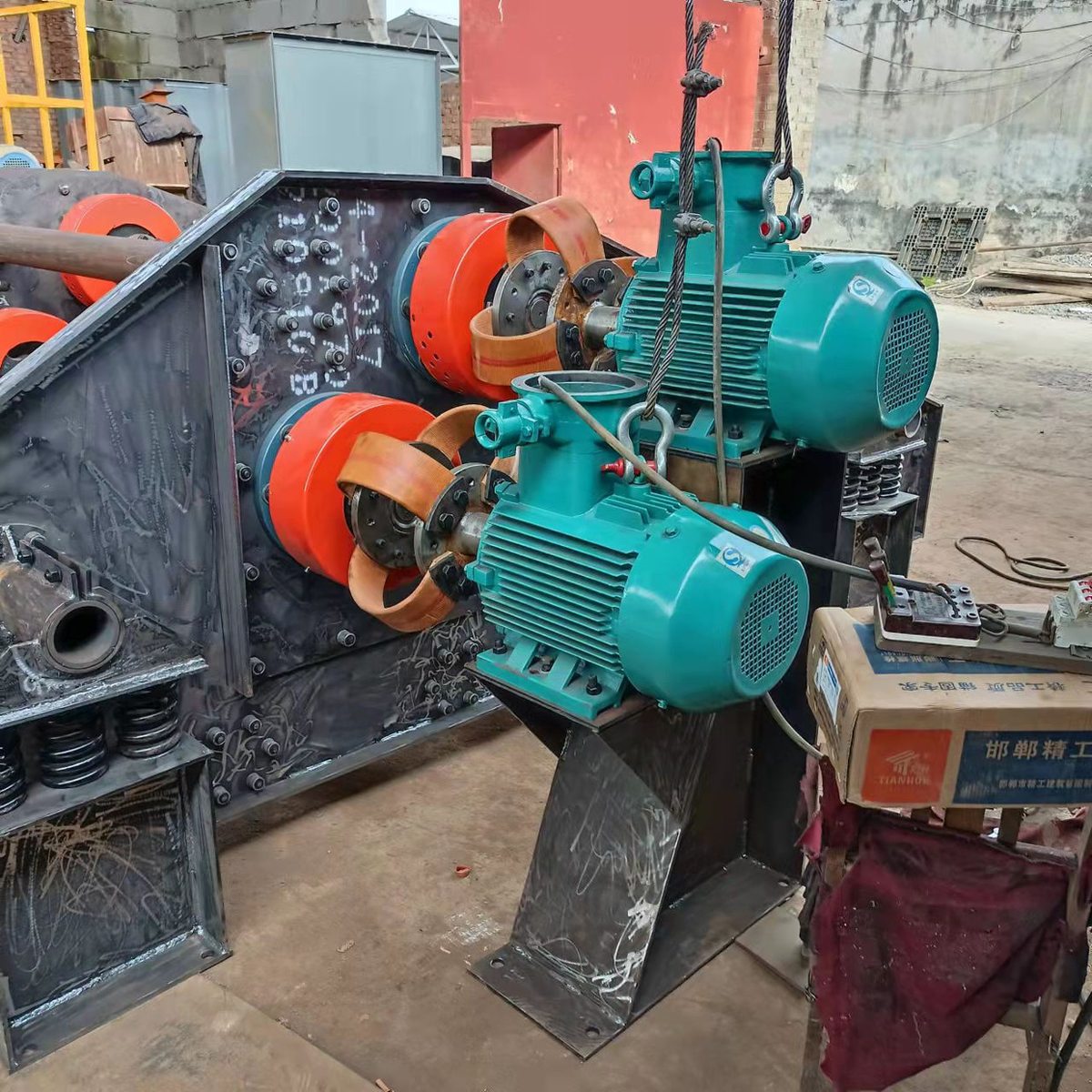
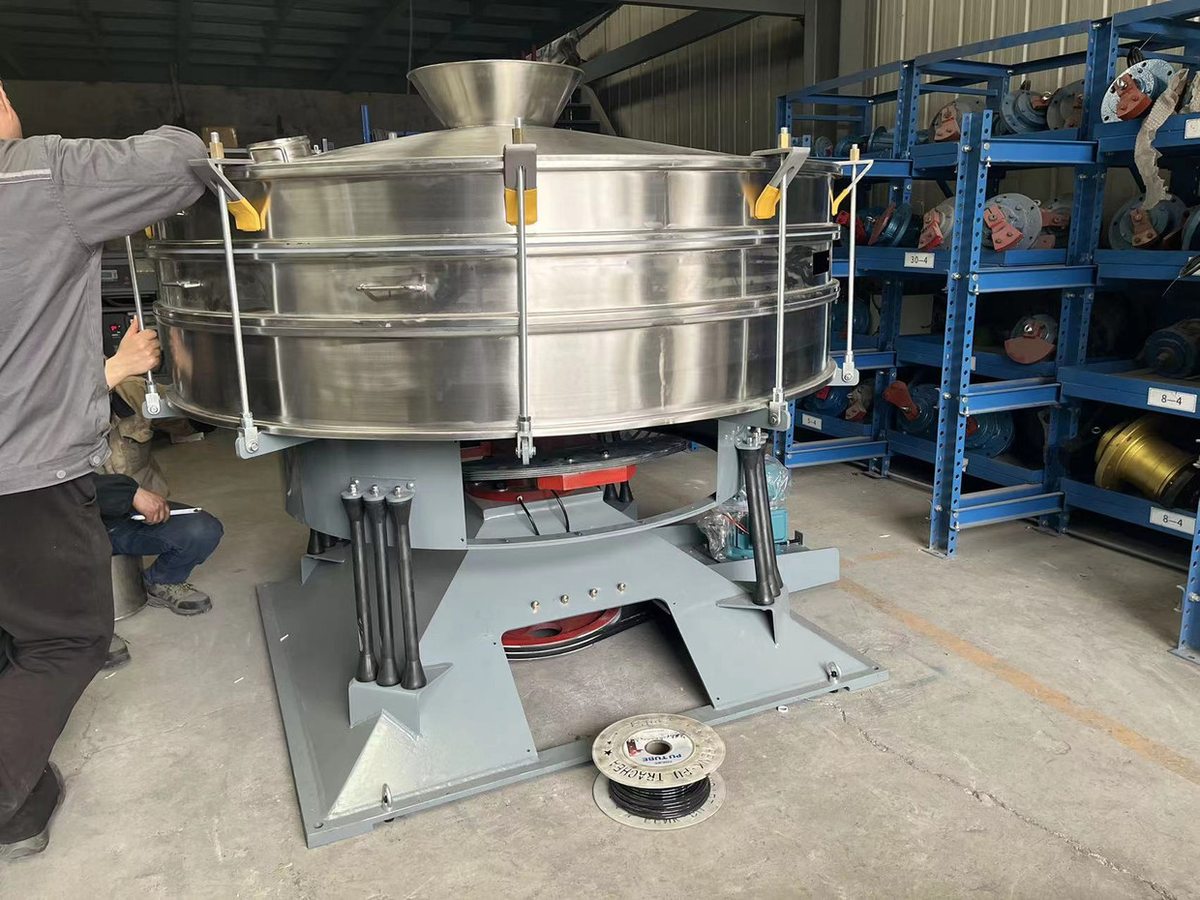
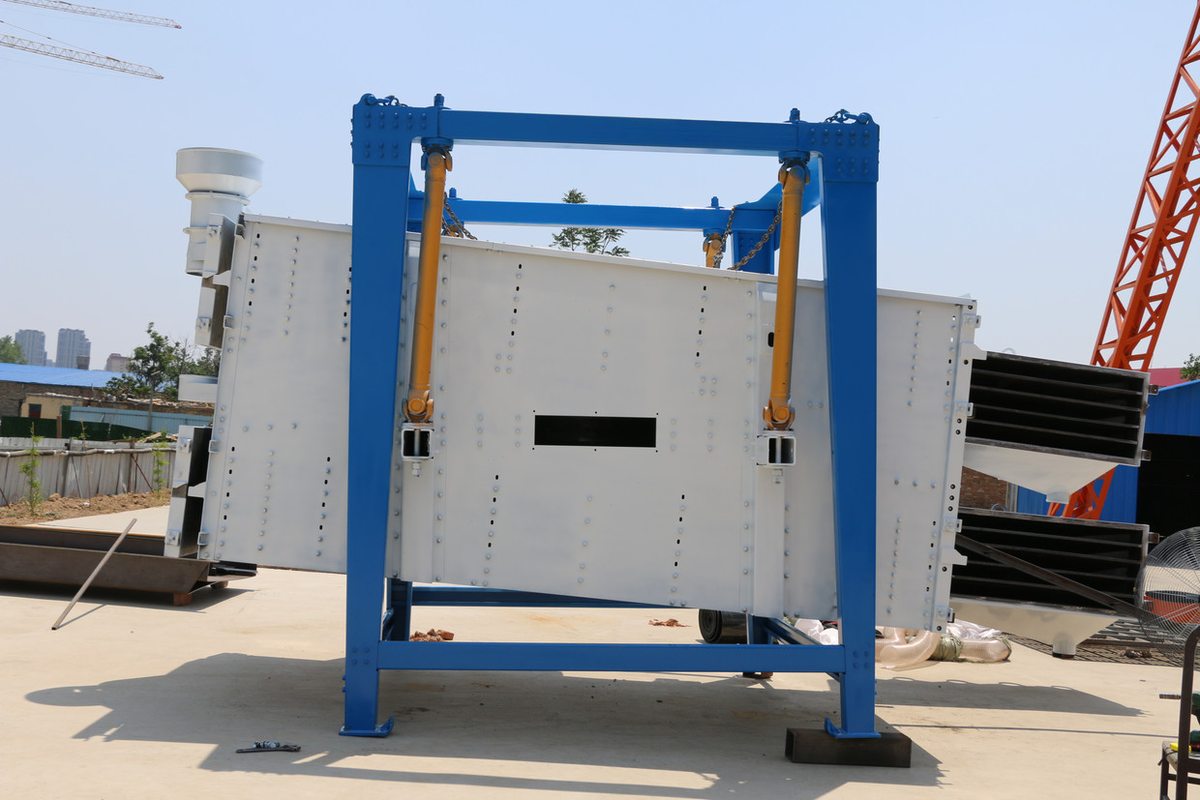
Mining linear vibrating screens work in dusty, high-load conditions, so wear is a normal part of life. Knowing the common wear points and keeping a simple maintenance routine makes the difference between steady production and repeated unplanned stops.
The parts that wear first
Screen media takes the most punishment, especially at the feed end where impact is highest. Rubber or polyurethane liners protect the deck and reduce noise. Exciters and their bearings run continuously under load and need regular lubrication and temperature checks. Springs or rubber mounts absorb the vibration and lose effectiveness as they age, which can change the screen's motion and reduce efficiency.
Daily and weekly checks
At start-up, listen for unusual noise and watch the material path across the deck. Uneven flow or material tracking to one side often means the feed chute or the deck slope needs attention. Once a week, check belt tension, bolt tightness and the condition of the screen panels. Replace torn panels quickly, since a small hole lets oversize material reach the wrong fraction.
Getting the setup right
A screen that is fed unevenly or run at the wrong stroke will never perform well, no matter how good the machine is. Match the stroke and frequency to the material size and moisture, and keep the feed consistent along the full width of the deck. Tianteng Machinery can advise on exciter settings and deck configuration based on the ore characteristics and the target capacity.
Planning for spares
Keep a small stock of screen panels, belts, springs and bearing kits so a worn part can be swapped during a scheduled stop. Recording operating hours helps predict when consumables need changing. With planned maintenance, a mining linear screen stays productive and the cost per tonne remains predictable.
linear vibrating screen mining screen screen maintenance ore screening


