Language
 English
 Português
 Deutsch
 Français
 русский
 Italiano
 日本語
 عربي
 Español
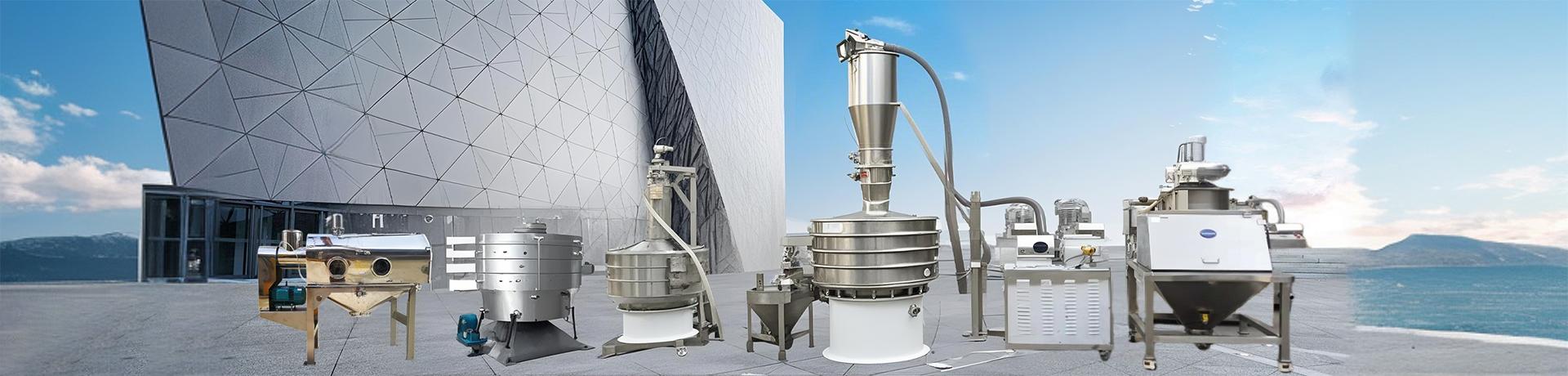
Stainless steel does not replace cleaning verification
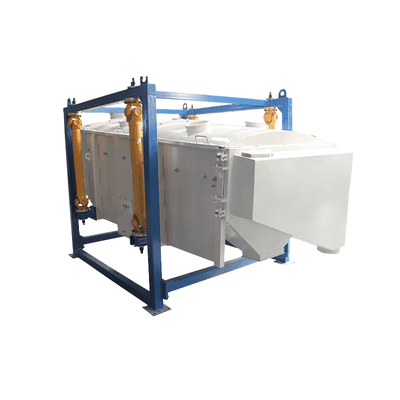
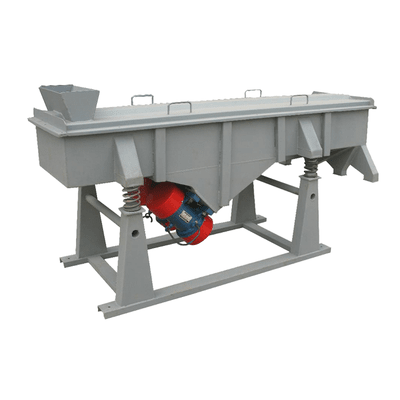
A stainless steel linear vibrating screen still needs a cleaning procedure matched to the product and equipment construction. The metal description alone does not prove that a machine is clean or suitable for a particular food process. This guide focuses on checking retained residue after a planned clean.
Identify the inspection locations
Use the equipment drawing and the plant cleaning procedure to identify product-contact areas. Include screen edges, frame joints, outlet transitions and accessible seal interfaces. Confirm which components may be removed and how they should be handled before starting work.
Inspect after safe access is established
Shut down, isolate and open the machine using the approved procedure. Check the identified locations in adequate light. Look for powder deposits, trapped granules and cleaning material left in corners. Use inspection tools and cleaning methods that are suitable for the contact surfaces; avoid unapproved abrasive tools or chemicals.
Verify more than visible appearance when required
Visual inspection is one part of a cleaning check. Where the process requires residue, allergen or microbiological verification, apply the validated site method and its acceptance criteria. Do not treat a visually clean surface as evidence that all such requirements have been met. Inspect seals and refit removed parts as instructed.
Keep a useful cleaning record
Record the product change, cleaning method, inspection points and release decision. Review repeated residue locations with the equipment supplier. When discussing a stainless steel linear vibrating screen with Tianteng, provide the product, contact-material requirements and cleaning regime so access and construction can be assessed for the intended duty.